

*Disclosure: I only recommend products/services that I would use myself & all opinions expressed here are my own. This post may contain affiliate links meaning that, at no additional cost to you, I may earn a small commission which in turn helps fund my next adventure! Please read the Privacy Policy for more information.
For years, I thought the best time to visit a destination was during its peak season. After all, if everyone was traveling there at the same time, there had to be a good reason, right?
But after dealing with crowded attractions, long lines, and expensive flights and hotels, I started questioning whether peak season was actually the best time to travel.
That changed in 2014 when I took my first shoulder-season trip to Nice, France, in early May. The weather was a little cooler than it would have been in summer, but I could explore without the usual tourist crowds, enjoy the city at a slower pace, and spend less on my trip.
Since then, when I plan a trip, I think about when to travel first. I typically aim for shoulder season now, although I’m happy to consider a destination's off-season as well. At the same time, I’ve learned that the cheapest time to visit a destination isn’t always the right choice. Sometimes weather, limited opening hours, or seasonal activities limit you to the peak season - and that’s okay!
In this guide, I’ll walk you through how I choose the best time to travel, what peak, shoulder, and off-season mean, and how to balance weather, crowds, and the cost for your next trip.
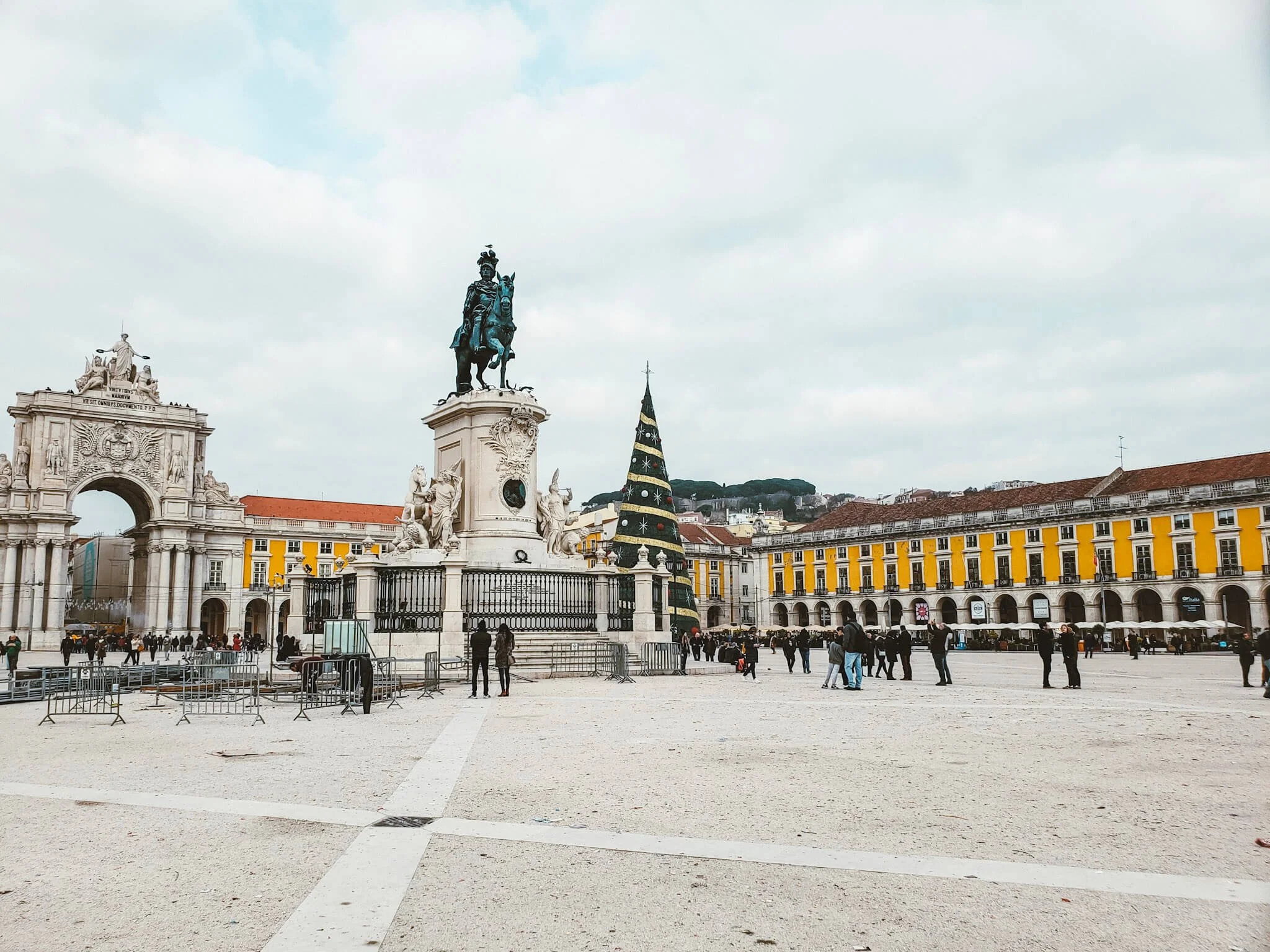
Praça do Comércio in Lisbon on January 2nd.
How I Choose the Best Time to Travel
When I’m planning a trip, I don’t always start with a destination in mind. Sometimes I know exactly where I want to go, but other times I want to travel in a particular month and need to figure out where to spend it.
If that's the case, I’ll start by figuring out my travel dates, what type of trip I’m looking for, and how far I’m willing to travel. Then, I’ll research which destinations fit the bill while paying close attention to when their peak and off-seasons are.
I also consider the weather and if the experiences I’m most excited about will actually be available. After all, there’s no point saving money on a trip if the main attraction you wanted to visit is closed for the season. This is something I learned the hard way.
Once I’ve narrowed down my options, I compare flight and hotel prices before deciding where to go.
It’s a relatively simple approach, but it’s helped me discover destinations I might not have considered and avoid some of the frustrations of traveling during the busiest months of the year.
Not sure where to travel next?
I created my free Travel Timing Blueprint to help you compare popular destinations around the world and see when their peak, shoulder, and off-seasons fall. It's a great starting point if you have travel dates in mind but haven't decided where to go.
Get the Free Travel Timing Blueprint →Peak Season vs. Shoulder Season vs. Off-Season Travel
Before deciding when to visit a destination, it helps to understand the differences between peak, shoulder, and off-season. Each has its advantages and disadvantages, and the best choice depends on what kind of trip you’re planning.
It’s also worth noting that peak seasons vary by destination. Summer might be peak season in one place, while winter is peak season for somewhere else. Lots of things play a role (think weather, school holidays, festivals, and seasonal activities), so keep all of that in mind.
| Peak Season | Shoulder Season | Off-Season | |
|---|---|---|---|
| Crowds | Usually busiest | Generally fewer visitors | Often quietest |
| Prices | Often highest | Potentially lower | Often lowest |
| Weather | Typically most desirable for popular activities | More variable | May be less favorable |
| Attractions & tours | Widest availability, but can book up quickly | Most remain available, but hours may vary | More seasonal closures and limited schedules |
| Best for | Specific seasonal experiences and travelers with fixed dates | Travelers seeking a balance of cost, weather, and crowds | Flexible travelers comfortable with some compromises |
Peak Season: Popular for a Reason
Peak season is when a destination receives the most visitors, often because of favorable weather, school holidays, or seasonal attractions. Think the Caribbean in winter - everyone wants to escape the cold for somewhere warm, so prices are sky-high during this time of year.
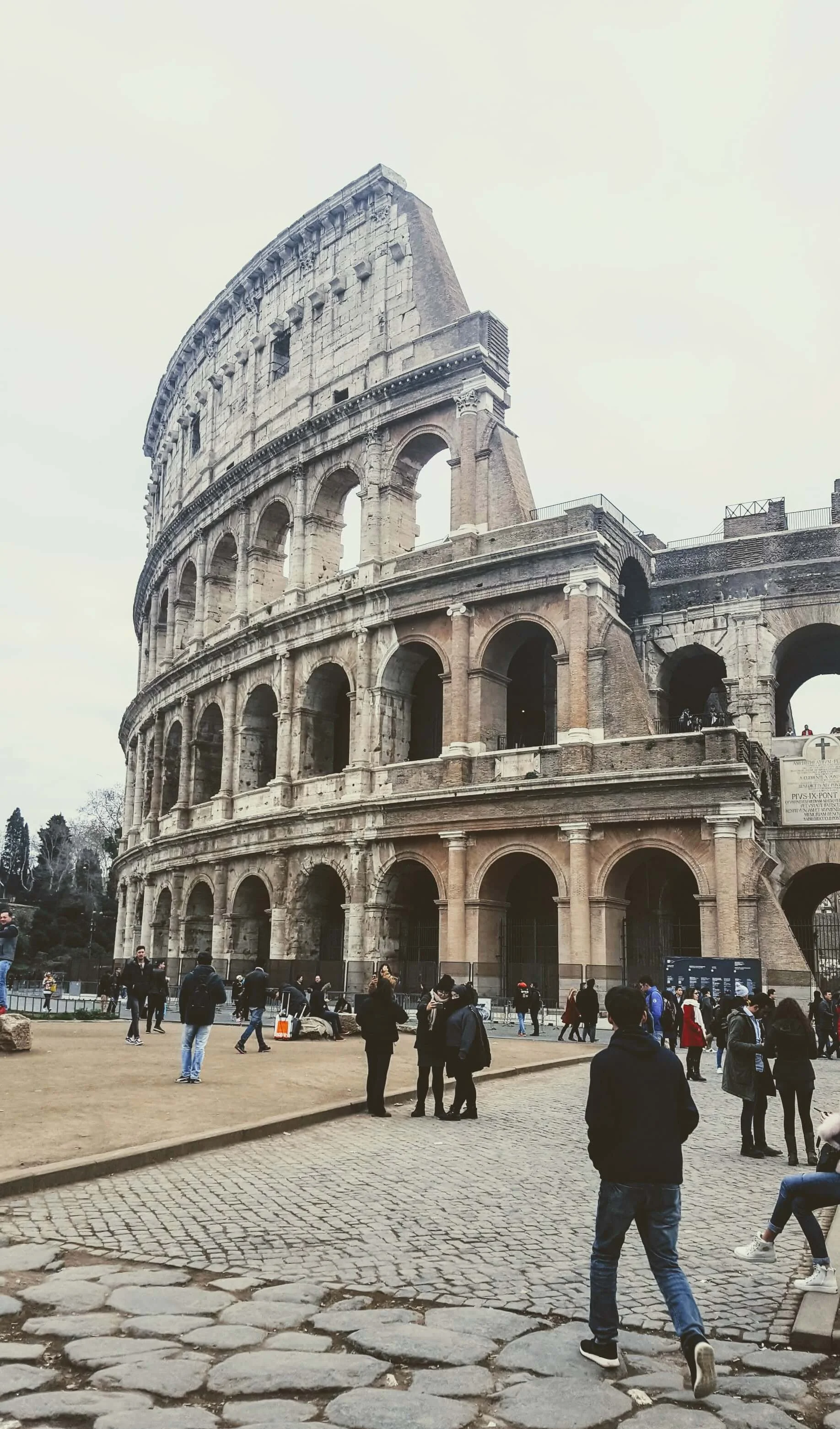
The Colosseum in Rome in February with very few crowds.
This is the destination’s travel season where you’ll see higher prices, larger crowds, and longer lines. But people visit during these months for a reason. If you’re planning a trip around a specific experience, festival, or outdoor activity, peak season might be the best option, and there’s nothing wrong with that.
Shoulder Season: The Travel Sweet Spot
Shoulder season is my personal travel sweet spot. It falls just before or after a destination’s peak season, and you can expect fewer crowds and lower prices compared to peak season. You also won’t sacrifice much in terms of weather and activity availability.
My first time traveling during shoulder season was when I went to the French Riviera in May. The weather was cool and sunny, nothing a light jacket couldn’t fix, and the crowds were a fraction of what I was expecting. That’s what won me over most.
Off-Season: Fewer Crowds, but More Compromises
Off-season is the slowest time for tourism in a destination, typically because of less desirable weather and limited opening hours for attractions and businesses. This travel season definitely has its trade-offs, but if weather doesn’t bother you and you’re curious about what life is like for locals, this is a great option. (It’s one of my favorites too!)
One January, I visited Rome and Venice and had an amazing time exploring both cities with significantly fewer crowds. The weather was chilly, but it was still comfortable enough to enjoy sightseeing, and I even got to experience Carnival in Venice - something I didn’t plan around at all!
On the other hand, off-season sometimes isn’t always the better choice. Some destinations have significant seasonal closures, limited tour availability, or weather that could disrupt your plans. Think hurricane season in the Caribbean. You can take the chance, but do your research and know what to expect. It’s important to know what you’re willing to compromise on before booking.
Why I Usually Choose Shoulder Season
Shoulder season is almost always my first choice, because I love visiting popular destinations, but I don’t necessarily want to experience them alongside thousands of other tourists.
My trip to Nice, France completely changed how I think about when to travel. Instead of automatically choosing the time of year with the best weather, I started looking at what I could gain by traveling a little earlier or later.
And it’s not just about saving money. Over the years, I’ve become increasingly aware of how overtourism affects popular destinations and the communities that live there. Traveling outside the busiest months is one way I try to be more thoughtful about when and where I visit.
For me, the combination of fewer crowds, more manageable costs, and the opportunity to experience a destination at a slower pace is what makes shoulder season my preferred time to travel almost every single time.
When Shoulder Season Isn’t the Right Choice
As much as I love shoulder-season travel, sometimes peak season just makes more sense. Saving money and avoiding crowds are great benefits, but not if they come at the expense of the experiences you’re traveling for.
The biggest thing I consider is whether the activities I want to do will actually be available during my trip.
For example, if you’re planning a trip specifically to see certain wildlife, go skiing, or experience a seasonal festival, your travel dates may need to revolve around those activities rather than the destination’s shoulder season.
I’ve also learned to pay extra attention to operating hours outside of peak season. Some museums, restaurants, and small businesses reduce their hours during the slower months, and some tour operators stop offering tours altogether. Trust me, nothing’s more frustrating than arriving somewhere and realizing it’s closed. I speak from experience!
Weather is another important consideration. I’m usually willing to deal with a little rain or cooler temperatures, especially on a city trip where I can easily adjust my plans or duck inside a cozy cafe. But if I’m planning a beach vacation or a trip centered around outdoor adventures, the weather becomes a much bigger factor, and I want it to be as ideal as possible.
And sometimes, peak season is simply when you can travel. If your vacation time is limited to summer or school holidays, there’s nothing wrong with visiting a popular destination during its busiest months. You might pay more and encounter larger crowds, but that doesn’t mean you can’t have a great trip.
My simple rule of thumb: if a particular experience is the main reason you’re visiting a destination, plan around that experience first. If your dates are flexible and the activities you want are available, that’s when I’d start looking at shoulder-season or off-season options.


Find the Best Time to Travel for Your Next Trip
If you’re not sure where to start, I’ve put together a free Travel Timing Blueprint that breaks down peak, shoulder, and off-seasons for popular destinations worldwide. It’s designed to help you narrow down where to go based on when you’re available to travel, without spending hours researching every destination yourself.
Just remember, the best time to travel isn’t necessarily when everyone else is going. It’s when the weather, activities, crowds, and cost align with the experience you want. While shoulder season is usually my first choice, I’ve learned that being flexible and doing a little research before booking can make a big difference.
Happy travels!
-Tess
Looking for more travel tips? Check out these articles!


Tess Arnold
Hi! I’m Tess, founder of TravelingTessie.com, and not only do I love to travel, but I love immersing myself in new places and finding off the beaten path experiences wherever I go! I’ve lived in 4 different states & traveled to 13 countries and counting. I believe that tourism is meant to benefit both visitors and locals alike—and I want to bring that idea back into the travel industry by highlighting companies run by locals such as tours, hotels, restaurants, and more. On Traveling Tessie you can find hidden gems in top destinations around the world, travel tips, detailed city guides, and tons of inspiration for your next trip! If you love travel as much as I do, then please join me on this journey! I hope you enjoy my content as much as I enjoy providing it for you!